Introduction
Ayurveda has been quietly practiced across Indian households for generations, often through grandmothers’ remedies long before it became a wellness trend online. Using ayurveda for health problems isn’t about rejecting modern medicine — for many people, it works well alongside it, particularly for everyday issues like digestion, stress, and minor seasonal ailments. Here’s an honest look at where it genuinely helps.
What Makes Ayurveda Different
Ayurveda focuses on balancing the body’s three doshas — vata, pitta, and kapha — through diet, lifestyle, and herbal remedies, treating health holistically rather than isolating individual symptoms.
Featured snippet: Ayurveda for health problems commonly addresses digestion, stress, skin issues, and immunity through herbs like ashwagandha, triphala, and turmeric, combined with dietary and lifestyle adjustments based on individual body constitution (dosha).
1. Digestive Health
Triphala, a classic Ayurvedic herbal blend, is widely used for supporting healthy digestion and regular bowel movements. Many people take it before bed as a gentle, natural digestive aid.
2. Stress and Anxiety Management
Ashwagandha, an adaptogenic herb, has gained significant modern research backing for reducing cortisol levels and supporting better stress resilience over time.
3. Skin Health
Neem and turmeric, both staples in Ayurvedic skincare, have natural antibacterial and anti-inflammatory properties, commonly used for acne and minor skin irritations.
4. Immunity Support
Chyawanprash, a traditional herbal jam, combines multiple immune-supporting herbs and has been used for generations, particularly during seasonal transitions.
5. Joint and Muscle Health
Certain Ayurvedic oils, used for regular massage (abhyanga), are believed to support joint mobility and circulation, particularly helpful for older adults experiencing stiffness.
6. Sleep Support
Practices like drinking warm milk with a pinch of nutmeg before bed, or specific herbs like brahmi, are traditionally used to support relaxation and better sleep quality.
Where Ayurveda Should Complement, Not Replace, Modern Medicine
I think it’s important to be honest here — for serious or acute conditions, Ayurveda works best as a complementary approach alongside conventional medical treatment, not as a replacement for it.
Frequently Asked Questions
Q1. Is ayurveda scientifically proven? Some Ayurvedic herbs, like ashwagandha and turmeric, have growing scientific research support; others remain primarily traditional with limited formal study.
Q2. Can I use ayurveda alongside allopathic medicine? Generally yes, but it’s important to inform your doctor, since certain herbs can interact with prescription medications.
Q3. How long does ayurveda for health problems take to show results? Ayurvedic approaches typically work gradually, often taking several weeks to months for noticeable, lasting change, unlike faster-acting conventional medicine.
Q4. Is ayurveda safe for everyone? Generally yes, though pregnant women, those with chronic conditions, or people on specific medications should consult a qualified practitioner first.
Q5. How do I find a genuine, qualified Ayurvedic practitioner? Look for practitioners with formal BAMS (Bachelor of Ayurvedic Medicine and Surgery) qualifications rather than informal or unverified sources.
Conclusion
Using ayurveda for health problems thoughtfully — as a complement to modern medicine rather than a replacement — offers genuine benefits for many everyday health concerns. If you’re curious, start with simple, well-researched remedies like triphala or ashwagandha, and consult a qualified practitioner for anything beyond minor issues. [link to related guide on acupuncture for pain relief here]
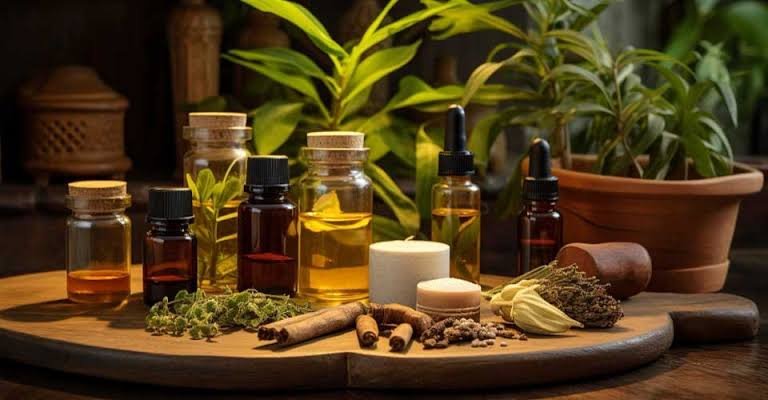
Suggested Image Alt Text: “Traditional Ayurvedic herbs and remedies used for everyday health problems”