Introduction
Every January, gyms fill up and crash diets trend online — and by March, most of it fades away. A diet plan for weight loss that actually works long-term looks nothing like the extreme versions you see on social media. It’s slower, less dramatic, and honestly, a lot more boring — but it’s the version that actually keeps the weight off.
Why Crash Diets Usually Fail
Severely restricting calories triggers your metabolism to slow down defensively, and the extreme restriction is rarely sustainable beyond a few weeks, leading to the frustrating cycle of losing and regaining weight.
Featured snippet: A sustainable diet plan for weight loss creates a moderate calorie deficit (roughly 300-500 calories below maintenance), prioritizes protein and fiber, and allows flexibility — extreme restriction almost always backfires within weeks.
Step 1: Calculate a Realistic Calorie Deficit
Aim for a 300-500 calorie daily deficit rather than a drastic cut. This typically translates to losing about 0.5-1kg per week — slower, but far more sustainable and less likely to trigger binge cycles.
Step 2: Prioritize Protein at Every Meal
Protein keeps you fuller for longer and preserves muscle mass while losing fat. Dal, eggs, paneer, curd, and lean meats should anchor most meals.
Step 3: Don’t Eliminate Entire Food Groups
Cutting out carbs or fats entirely usually backfires. Instead, focus on portion control and choosing whole grains over refined ones — sustainable changes beat extreme elimination every time.
Step 4: Fill Half Your Plate With Vegetables
This simple visual trick naturally reduces calorie density while keeping you full, without needing to count every single calorie obsessively.
Sample Day on a Realistic Diet Plan
- Breakfast: Vegetable poha or oats with a boiled egg
- Lunch: Dal, one roti, sabzi, and a bowl of salad
- Evening snack: Roasted chana or fruit
- Dinner: Grilled chicken or paneer with vegetables, small portion of rice
Why Consistency Beats Intensity
I’ve noticed people who lose weight sustainably rarely follow a “perfect” diet — they just stay reasonably consistent 80% of the time, allowing flexibility the other 20%.
Don’t Forget Movement
Diet alone gets you partway there, but combining it with regular movement — even just walking — significantly improves both results and how sustainable the whole process feels.
Frequently Asked Questions
Q1. How fast should I expect to lose weight on a diet plan for weight loss? A safe, sustainable rate is 0.5-1kg per week; faster loss usually means muscle loss or unsustainable restriction.
Q2. Do I need to cut carbs completely to lose weight? No, moderate portions of whole grain carbs fit well within a sustainable weight loss diet.
Q3. Is intermittent fasting necessary for weight loss? It’s one tool among many, not a requirement — total calorie balance matters more than meal timing for most people.
Q4. Can I still eat out while following a weight loss diet? Yes, with mindful choices — smaller portions, more protein and vegetables, less fried food — occasional eating out doesn’t derail progress.
Q5. Why did my weight loss plateau after initial progress? This is common as metabolism adjusts to lower body weight — reassessing calorie needs and adjusting activity levels usually helps restart progress.
Conclusion
The best diet plan for weight loss isn’t the most restrictive one — it’s the one you can realistically follow for months, not just weeks. Focus on protein, vegetables, and a moderate deficit, and let the results build gradually rather than chasing quick fixes. [link to related guide on exercises for belly fat here]
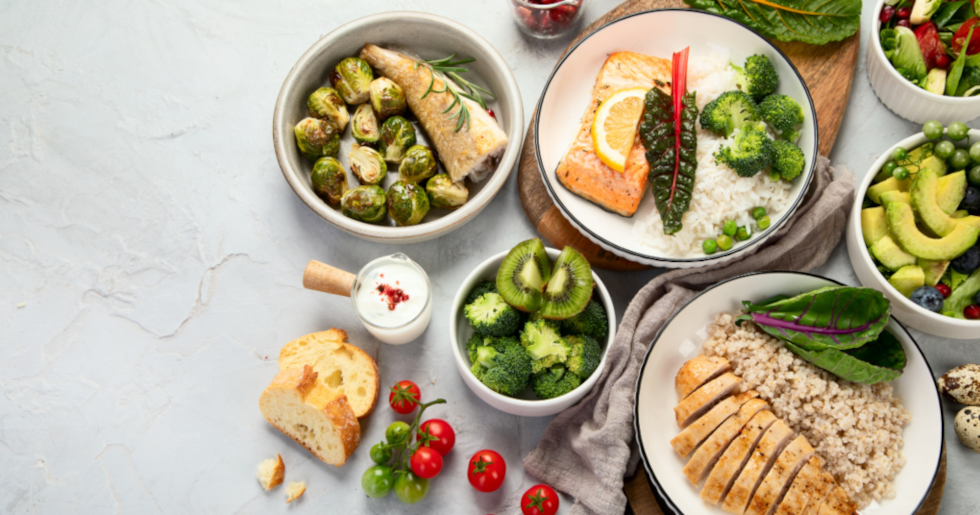
Suggested Image Alt Text: “Balanced plate with protein and vegetables as part of a diet plan for weight loss”