Introduction
Pregnancy comes with no shortage of advice — some helpful, some outdated, some just plain confusing. A genuinely healthy pregnancy diet doesn’t need to be complicated, but it does need attention to specific nutrients that matter more during this time. Here’s a practical, no-nonsense breakdown for expecting mothers.
Why Nutrition Matters More During Pregnancy
Your body’s nutritional needs increase significantly to support the baby’s development, particularly for iron, folate, calcium, and protein — deficiencies here can affect both mother and baby’s health.
Featured snippet: A healthy pregnancy diet prioritizes folate-rich foods, iron sources, calcium, and adequate protein, while limiting raw or undercooked foods, excess caffeine, and unpasteurized dairy — small adjustments with a significant impact on outcomes.
1. Prioritize Folate-Rich Foods
Folate (vitamin B9) is critical for preventing neural tube defects, especially in early pregnancy. Leafy greens, lentils, and citrus fruits are good natural sources, alongside prescribed folic acid supplements.
2. Get Enough Iron
Pregnancy significantly increases iron requirements to support increased blood volume. Iron deficiency during pregnancy is common in India, so foods like spinach, dal, and jaggery deserve regular inclusion.
3. Don’t Skip Calcium
Your baby draws calcium from your bones if dietary intake is insufficient. Milk, curd, paneer, and sesame seeds (til) are all solid calcium sources worth including daily.
4. Increase Protein Intake Gradually
Protein needs rise, especially in the second and third trimesters. Dal, eggs, paneer, and lean meats support your baby’s growing tissue and organ development.
5. Foods to Limit or Avoid
- Raw or undercooked eggs and meat
- Unpasteurized dairy products
- Excess caffeine (limit to 1-2 cups of tea/coffee daily)
- Certain high-mercury fish
6. Stay Hydrated
Increased blood volume during pregnancy means hydration needs go up too — aim for at least 8-10 glasses of water daily, more if you’re active.
7. Manage Nausea With Small, Frequent Meals
I’ve heard from many expecting mothers that large meals worsen nausea — smaller, more frequent meals throughout the day tend to sit much better, especially in the first trimester.
Frequently Asked Questions
Q1. Do I need supplements alongside a healthy pregnancy diet? Most doctors recommend folic acid and iron supplements regardless of diet quality, since requirements are hard to meet through food alone.
Q2. Is it safe to continue exercising during pregnancy? Generally yes, with doctor approval — moderate activity like walking or prenatal yoga supports overall health during pregnancy.
Q3. Can I drink tea or coffee while pregnant? Yes, in moderation — generally limiting to 200mg of caffeine daily (roughly 1-2 cups) is considered safe.
Q4. What foods should be completely avoided during pregnancy? Raw seafood, unpasteurized dairy, undercooked meat and eggs, and certain high-mercury fish should be avoided throughout pregnancy.
Q5. How much weight gain is normal during pregnancy? It varies based on pre-pregnancy weight, but generally 11-16kg is considered a healthy range — your doctor can give personalized guidance.
Conclusion
A thoughtful healthy pregnancy diet genuinely supports both mother and baby through each trimester’s changing needs. Focus on nutrient density over strict rules, stay in touch with your doctor about supplements, and don’t stress over occasional cravings — balance matters more than perfection here. [link to related guide on hormonal imbalance signs here]
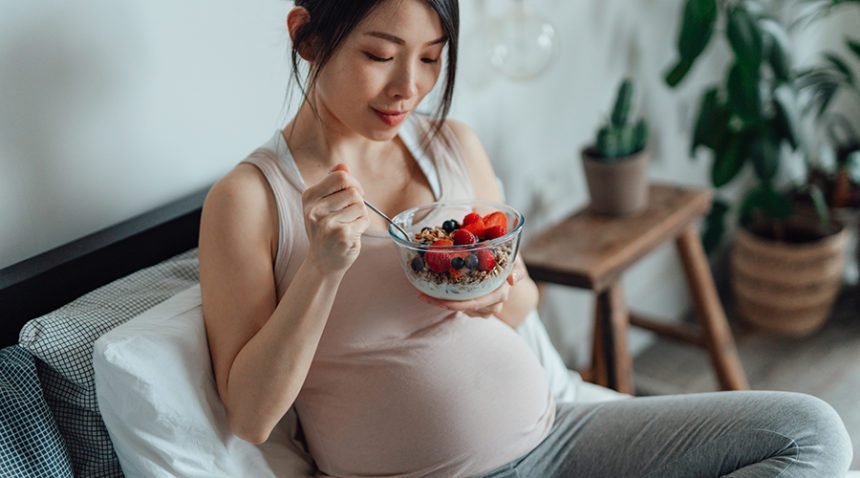
Suggested Image Alt Text: “Pregnant woman preparing nutritious meal as part of healthy pregnancy diet”