Introduction
Ask around, and you’ll find most people massively underestimate how much protein they’re actually eating. A proper high protein diet plan doesn’t require imported powders or expensive supplements — Indian kitchens are actually full of solid protein sources, if you know where to look. This guide breaks down a realistic, practical approach to hitting your protein needs for muscle growth and steady energy through the day.
Why Protein Matters More Than People Realize
Protein isn’t just for bodybuilders. It repairs tissue, supports immune function, and keeps you fuller for longer — which indirectly helps with weight management too.
Featured snippet: A practical high protein diet plan for muscle growth includes 1.2-1.6 grams of protein per kilogram of body weight daily, spread across 4-5 meals using sources like dal, paneer, eggs, curd, and lean meat or fish.
How Much Protein Do You Actually Need?
For general muscle growth, aim for roughly 1.2-1.6g per kg of body weight daily. So a 70kg person would target around 84-112g of protein spread through the day.
Sample High-Protein Day (Vegetarian)
- Breakfast: Moong dal chilla with paneer filling, a glass of milk
- Mid-morning: Roasted chana or a handful of almonds
- Lunch: Dal, rajma or chole, with roti and a curd side
- Evening: Sprouts salad or Greek yogurt
- Dinner: Paneer or tofu curry with vegetables and roti
Sample High-Protein Day (Non-Vegetarian)
- Breakfast: Boiled eggs (2-3) with whole wheat toast
- Mid-morning: Curd with nuts
- Lunch: Grilled chicken or fish with dal and vegetables
- Evening: Protein shake or boiled eggs
- Dinner: Fish or chicken curry with a small portion of rice
Timing Matters, But Not As Much As Total Intake
Spreading protein across meals helps with muscle repair, but honestly, hitting your daily total consistently matters far more than obsessing over exact meal timing.
Common Mistakes People Make
- Loading protein into one big meal instead of spreading it out
- Ignoring plant-based combinations (dal + rice = complete protein)
- Assuming supplements are necessary when food alone often covers it
Should You Take Protein Supplements?
Not necessarily. If your diet regularly falls short — say, due to a busy schedule — a whey or plant protein supplement can help fill the gap, but it shouldn’t replace real food as the foundation.
Frequently Asked Questions
Q1. Can vegetarians follow a high protein diet plan effectively? Absolutely — combining dal, paneer, curd, and legumes provides more than enough protein for most people’s needs.
Q2. Is too much protein harmful? For healthy individuals, moderately high protein intake is generally safe, though those with kidney issues should consult a doctor first.
Q3. Do I need protein powder to build muscle? No, whole foods can meet your needs — powder is just a convenient option, not a requirement.
Q4. How soon will I notice results from a high protein diet? Combined with strength training, most people notice changes in strength and muscle tone within 4-6 weeks.
Q5. What’s the easiest high-protein snack? Roasted chana, boiled eggs, or curd — all cheap, quick, and widely available.
Conclusion
A good high protein diet plan isn’t about drastic changes or expensive shopping lists — it’s about being intentional with foods you probably already eat. Track your intake for a week, notice the gaps, and adjust from there. Consistency, as always, beats perfection. [link to related guide on foods for digestion here]
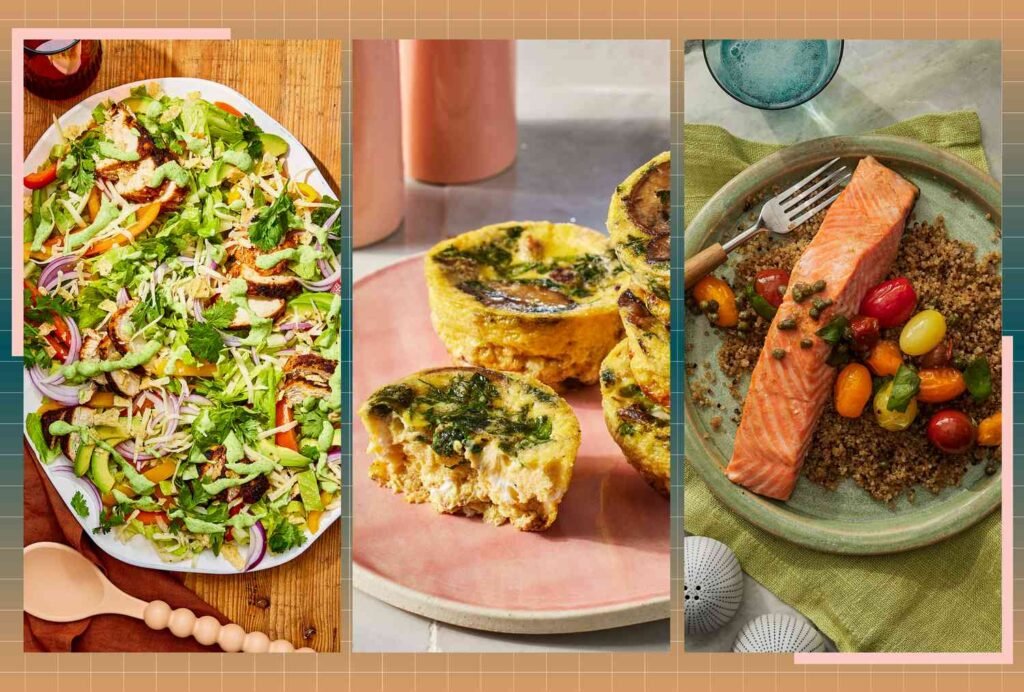
Suggested Image Alt Text: “Plate of high protein Indian foods including dal, paneer, and eggs”