Introduction
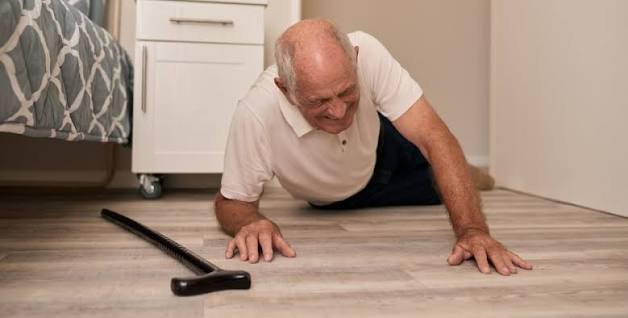
A single fall can dramatically change an older adult’s quality of life — sometimes leading to fractures, hospital stays, or a lasting fear of movement that reduces independence further. Learning how to prevent falls in elderly family members isn’t just about removing obstacles; it involves a combination of home safety, strength, and awareness working together.
Why Fall Risk Increases With Age
Balance, muscle strength, vision, and reaction time all gradually decline with age, and certain medications can worsen dizziness or coordination — combined, these factors significantly raise fall risk.
Featured snippet: To prevent falls in elderly individuals, focus on home safety modifications (grab bars, good lighting, clear pathways), regular balance and strength exercises, vision checkups, and medication reviews — addressing all four areas together offers the strongest protection.
1. Improve Home Lighting
Dim hallways and staircases are common fall triggers. Bright, consistent lighting, especially near stairs and bathrooms, significantly reduces risk during nighttime movement.
2. Install Grab Bars and Handrails
Bathrooms, in particular, are high-risk zones due to wet, slippery surfaces. Grab bars near the toilet and shower area are relatively inexpensive but genuinely effective additions.
3. Remove Tripping Hazards
Loose rugs, exposed wires, and cluttered walkways are surprisingly common causes of falls. A simple walkthrough of the home, room by room, often reveals several easy fixes.
4. Encourage Balance and Strength Exercises
Simple exercises like standing on one leg (with support nearby), gentle yoga, or short daily walks maintain the muscle strength and balance needed to prevent falls in the first place.
5. Review Medications Regularly
Some medications cause dizziness or affect coordination, particularly when combined. A periodic medication review with a doctor helps identify and address these risks.
6. Schedule Regular Vision and Hearing Checks
Poor vision is directly linked to increased fall risk since it affects spatial awareness and hazard detection. Annual eye checkups matter more than many families realize.
7. Choose Appropriate Footwear
Loose slippers or worn-out shoes with poor grip increase fall risk significantly. Well-fitting, non-slip footwear, even indoors, makes a genuine difference.
Frequently Asked Questions
Q1. What is the most common cause of falls in elderly people? Poor balance combined with home hazards like poor lighting or loose rugs are among the most common contributing factors.
Q2. Can exercise really help prevent falls in elderly individuals? Yes, balance and strength training specifically have strong evidence supporting reduced fall risk in older adults.
Q3. Should elderly parents use a walking aid? If recommended by a doctor or physiotherapist based on balance assessment, yes — resistance to using aids often increases fall risk unnecessarily.
Q4. How quickly should a fall be addressed medically? Any fall involving injury, confusion, or inability to get up independently should be evaluated by a doctor promptly, even if no obvious injury is visible.
Q5. Do falls always indicate a serious underlying health issue? Not always, but recurring falls warrant a medical evaluation to rule out issues like low blood pressure, medication side effects, or balance disorders.
Conclusion
Taking steps to prevent falls in elderly family members genuinely protects both their physical safety and their long-term independence. Start with a simple home safety walkthrough this week — it’s often the fastest, most immediately effective step you can take. [link to related guide on elderly care tips at home here]
Suggested Image Alt Text: “Grab bars installed in bathroom to help prevent falls in elderly”