Introduction
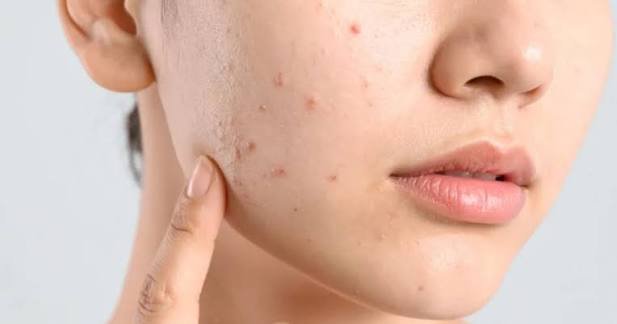
Acne has this cruel timing — it shows up right when you least want it, before an event, during exam stress, whenever life’s already hectic enough. Learning how to reduce acne naturally involves understanding what’s actually triggering your breakouts, rather than just throwing random products at your skin and hoping something sticks. Here’s a practical, no-nonsense approach.
What Actually Causes Acne
Excess oil production, clogged pores, bacteria, and inflammation all play a role — often triggered or worsened by hormones, stress, diet, and even the pillowcase you haven’t changed in three weeks.
Featured snippet: To reduce acne naturally, focus on gentle cleansing, avoiding pore-clogging products, managing stress, and limiting high-glycemic foods like sugar and refined carbs — these factors influence breakouts more than most people realize.
1. Don’t Over-Cleanse Your Skin
It sounds counterintuitive, but washing your face more than twice daily strips protective oils, triggering more breakouts, not fewer. Stick to a gentle cleanser, morning and night only.
2. Watch Your Diet’s Glycemic Load
High-sugar and refined-carb diets spike insulin, which can increase oil production and inflammation. Cutting back on sugary snacks and white bread often shows visible skin improvement within a few weeks.
3. Change Pillowcases Regularly
Pillowcases collect oil, bacteria, and dead skin over just a few nights. Swapping them twice a week is a small habit that genuinely helps reduce breakouts around the cheeks and jawline.
4. Use Non-Comedogenic Products
Some moisturizers and sunscreens clog pores without you realizing it. Check labels for “non-comedogenic” — it’s a small detail that prevents a lot of unnecessary breakouts.
5. Manage Stress Levels
Cortisol directly increases oil gland activity. I’ve noticed my own skin flares up almost predictably during stressful work weeks — it’s not a coincidence, it’s hormonal.
6. Try Tea Tree Oil for Spot Treatment
Diluted tea tree oil has natural antibacterial properties and can help calm individual breakouts, though it should always be diluted before applying directly to skin.
7. Don’t Pick or Pop Pimples
This one’s hard to resist, but picking spreads bacteria and often leads to scarring that lasts far longer than the original breakout would have.
Frequently Asked Questions
Q1. Can diet alone reduce acne naturally? Diet plays a meaningful role for many people, though it’s usually one factor among several including hormones, skincare habits, and stress.
Q2. How long does it take to see improvement? Most natural approaches take 4-6 weeks of consistency before noticeable improvement in breakout frequency.
Q3. Is drinking more water helpful for acne? It supports overall skin health but isn’t a standalone acne cure — it works best combined with other habits.
Q4. Should I stop using makeup if I have acne? Not necessarily — choose non-comedogenic, oil-free products and always remove makeup thoroughly before bed.
Q5. When should acne be treated by a dermatologist instead? If natural methods don’t improve moderate-to-severe acne within 2-3 months, or if scarring is occurring, a dermatologist visit is worthwhile.
Conclusion
Clear skin rarely happens overnight, and honestly, most quick fixes online oversell what they can actually deliver. To reduce acne naturally, focus on the boring basics — gentle cleansing, diet awareness, stress management — and give them real time to work. [link to related guide on skincare routine here]
Suggested Image Alt Text: “Natural skincare ingredients used to reduce acne naturally”